



Part 3 of 5: Technology is often discussed as a productivity tool, but its impact on the coffee industry runs much deeper. In Part 3 of this solo series, Lee Safar explores how technology is reshaping relationships across the supply chain, reducing barriers for producers, changing how businesses compete, and redefining where value is created.
Read MorePart 2 of 5: Coffee businesses often focus on changing coffee prices, but one of the biggest shifts happening today is in consumer behaviour. In Part 2 of this solo series, Lee Safar explores how changing spending habits, emerging coffee markets at origin, and evolving customer expectations are reshaping the coffee industry and what businesses should be paying attention to before the end of 2026.

Read MorePart 1 of 5: Coffee businesses spend enormous amounts of time following the C Market, but many fail for reasons that have little to do with coffee prices. In Part 1 of this five-part solo series, Lee Safar explains why liquidity, working capital and access to capital deserve far more attention than predicting the next move in the coffee market.
Read MorePart 5 of 5: What happens next for coffee prices? Augusto Amaya shares his perspective on market cycles, producer pressure, direct trade relationships, and the factors that could shape coffee pricing over the coming year.
Read MorePart 4 of 5: Colombia is one of the world's largest Arabica producers, yet events there rarely move coffee markets the way developments in Brazil do. Augusto Amaya explores why this happens and why coffee professionals should pay attention regardless.
Read MorePart 3 of 5: A newly declared Super El Niño could affect harvests across Colombia and beyond. In this episode, Augusto Amaya explores how changing weather patterns may impact yields, farmer livelihoods, supply chains, and coffee prices over the coming years.
Read MorePart 2 of 5: Political decisions are increasingly influencing security, trade, and farmer livelihoods in Colombia. Augusto Amaya explains how elections, policy uncertainty, and the relationship between government and the FNC may affect coffee producers and the wider supply chain.
Read MorePart 1 of 5: Most coffee professionals are focused on Brazil, but Colombia's Mitaca harvest may reveal risks and opportunities that the broader market is overlooking. In this episode, Augusto Amaya explains why paying attention to Colombia could become increasingly important over the next 12 months.
Read MorePart 5 of 5: From Kiva microfinance loans to university-backed impact funds and producer prepayment programs, Freddy Rivard explores practical financing solutions that could strengthen the coffee supply chain.
Read MorePart 4 of 5: A relatively small amount of liquidity can dramatically improve a producer’s ability to hire staff, improve quality, and build a stronger business. Freddy Rivard shares real-world examples of how prepayments reduce stress and increase prosperity.
Read MorePart 3 of 5: Climate risk, market volatility, labor challenges, and financing uncertainty create significant pressure throughout the coffee supply chain. Freddy Rivard explains how reducing information asymmetry and building long-term relationships can help de-risk coffee businesses.
Read MorePart 2 of 5: Coffee financing involves logistics, pricing systems, futures markets, risk management, and multiple stakeholders operating across countries and currencies. Freddy Rivard explains why financing coffee is more complex than most coffee professionals realize.
Read MorePart 1 of 5: Coffee doesn’t simply move from farm to cup. Every stage of the supply chain requires liquidity, risk management, and financing. In this episode, Freddy Rivard explains the fundamentals of coffee financing, who participates in it, and why understanding money flow is critical to understanding coffee itself.
Read MorePart 5 of 5: In part five, Lee and Ciro discuss climate forecasting, microclimates, AI, soil analysis, farm resilience, and the role younger generations may play in technology adoption. They explore how farmers can use better data to prepare for weather changes while controlling costs and protecting long-term farm viability.
Read MorePart 4 of 5: In part four, Lee and Ciro explore one of the most difficult questions in coffee: how farmers can know what price they need if they do not know their cost of production. They discuss lot-level and activity-level costs, financial literacy, real-time data, the C market, and the possibility of shifting farmers away from being price takers.
Read MorePart 3 of 5: In part three, Lee and Ciro discuss traceability, quality, and the limits of technology in a subjective industry. They explore how farm practices, post-harvest processes, logistics, moisture, defects, cup profiles, and blockchain can help or complicate the effort to track quality through the coffee supply chain.
Read MorePart 2 of 5: In part two, Lee and Ciro discuss what happens when farm data becomes visible and usable. They explore flowering, weather, quality, pest and disease pressure, historic records, real-time decisions, and the role AI may play in helping farmers understand correlations that are too complex to manage manually.
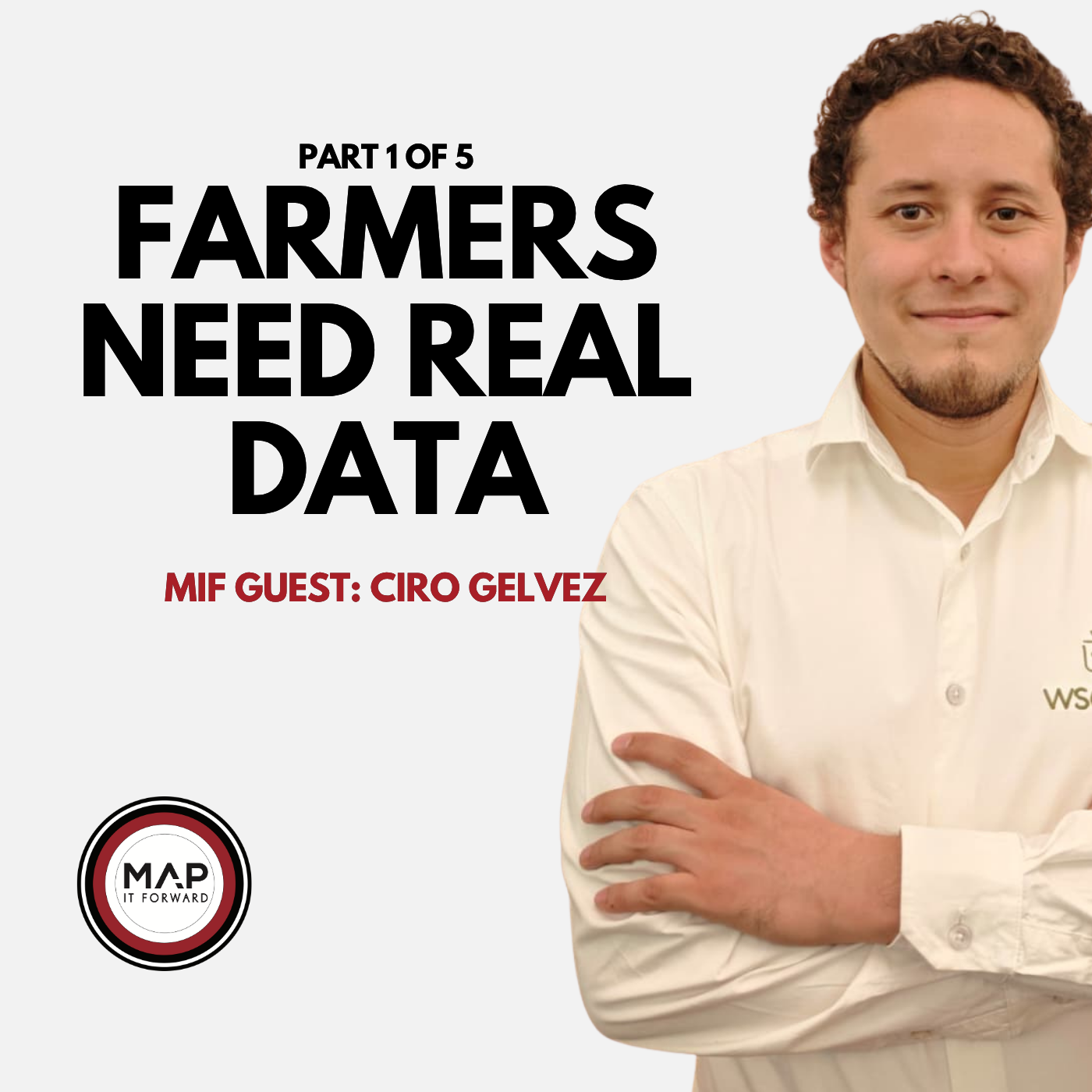
Read MorePart 1 of 5: In part one of this series, Lee Safar and Ciro Gelvez from WSeeds discuss the data coffee farmers need to collect and manage to understand their farms as businesses. They explore why harvest volume and sale price are not enough, how missing data affects costs, quality, and decision-making, and why technology adoption has to begin with the farmer's daily reality.
Read MorePart 5 of 5: Members of the Map It Forward Patreon Discussion Group explore how technology can be used to build trust, strengthen relationships, and create new opportunities throughout the coffee supply chain.
Read MorePart 4 of 5: Members of the Map It Forward Patreon Discussion Group explore pricing, power, confidence, and why helping producers become price setters is far more complicated than it first appears.`
Read More