The C Market Is Back Above 340 | This Week at Map It Forward: Week 34, 2025
Coffee INDUSTRY & MARKET: Why Is the C-Market Back Above 340?
The price of coffee on the C-Market (ICE Arabica futures) is jumping again. Three things are driving it. Here they are ranked by importance:
1) Low “backup supply” at the exchange
The coffee that backs futures delivery (“certified stocks” held in ICE-approved warehouses) is low. Think of this as the global price’s buffer. When that stash is running low, nearby prices rise because there’s less coffee immediately available for delivery. This is the largest driver of price increases right now.
2) Logistics and policy friction
New U.S. tariff changes on Brazilian imports prompted some U.S. buyers to pause or reshuffle shipments while they recalculate costs and terms. Coffee exists, but it’s just not moving where/when it was expected, which adds uncertainty and pushes prices up.
3) Weather headlines, limited real damage (so far)
Yes, there were light frosts in parts of Brazil. That creates fear (and fear pushes the price up by adding what’s called a “risk premium”). But early checks suggest patchy damage, and because the harvest is far along, the current crop wasn’t broadly exposed on the tree. We’ll see if there’s wider damage in the coming months.
How this impacts different stakeholders in the coffee supply chain?
Big picture: Expect more price and timing volatility in an already choppy 2025. Multiple layers of the industry’s broader crisis are accelerating rather than resolving. Here’s what impact this will likely have in practice:
Coffee Farmers - Higher C prices strengthen price talks, but buyers may take longer to commit while shipment plans and terms reset.
Co-ops & Exporters - Shipping dates are less reliable, so quotes stay open for shorter periods. If sailings slip, roll/demurrage costs can rise. Given the ongoing volatility of 2025, this additional stress has the potential to break some importers.
Importers / Traders - Origin differentials and freight are jumpy, so landed price and ETAs are less predictable. You may have to pivot origins for multiple reasons. This may or may not be possible based on your relationships.
Roasters (large, medium, small) - With prices up, spot lots (already very scarce) can move quickly, and volatility likely persists for a while. This means there will be fewer “quick fixes” for supply issues.
Cafés / Retail / B2C Roasters - Input costs and lead times can swing. Some of this pressure will need to be passed through to customers. The Trump Tariffs mean that this volatility will impact some parts of the world more than others, but it will impact all parts of the world because the futures market is global.
p.s. It’s still only August...there are still 4.5 months left in 2025. Pace yourself. You got this. We are in this together.
THIS WEEK ON OUR PODCASTS….
NEW ON OUR YOUTUBE CHANNEL: As a YouTube partner, all new uploads to our channel come with automatic audio overdubs in many different languages. We go to a lot of trouble to make sure that the transcript is accurate for a better experience, so we hope you enjoy it. You can turn this feature on, go to “Settings” in the bottom right of the video, and then select “Audio Track”…ENJOY!
If the work we do at Map It Forward is valuable to you, your business, or your professional life in coffee, consider supporting this independent work by joining our Patreon, becoming a premium subscriber on our YouTube Channel, or purchasing our workshops for yourself, your staff, or your producing partners.
If you’re looking for ways to support us for free, subscribe to our socials and YouTube channel, engage with our content, and share this blog post with your colleagues in the coffee industry.
It really does help us get this information out to more people.
Now here’s who we’ve got on our podcasts this week…
The Daily Coffee Pro Podcast (GLOBAL)
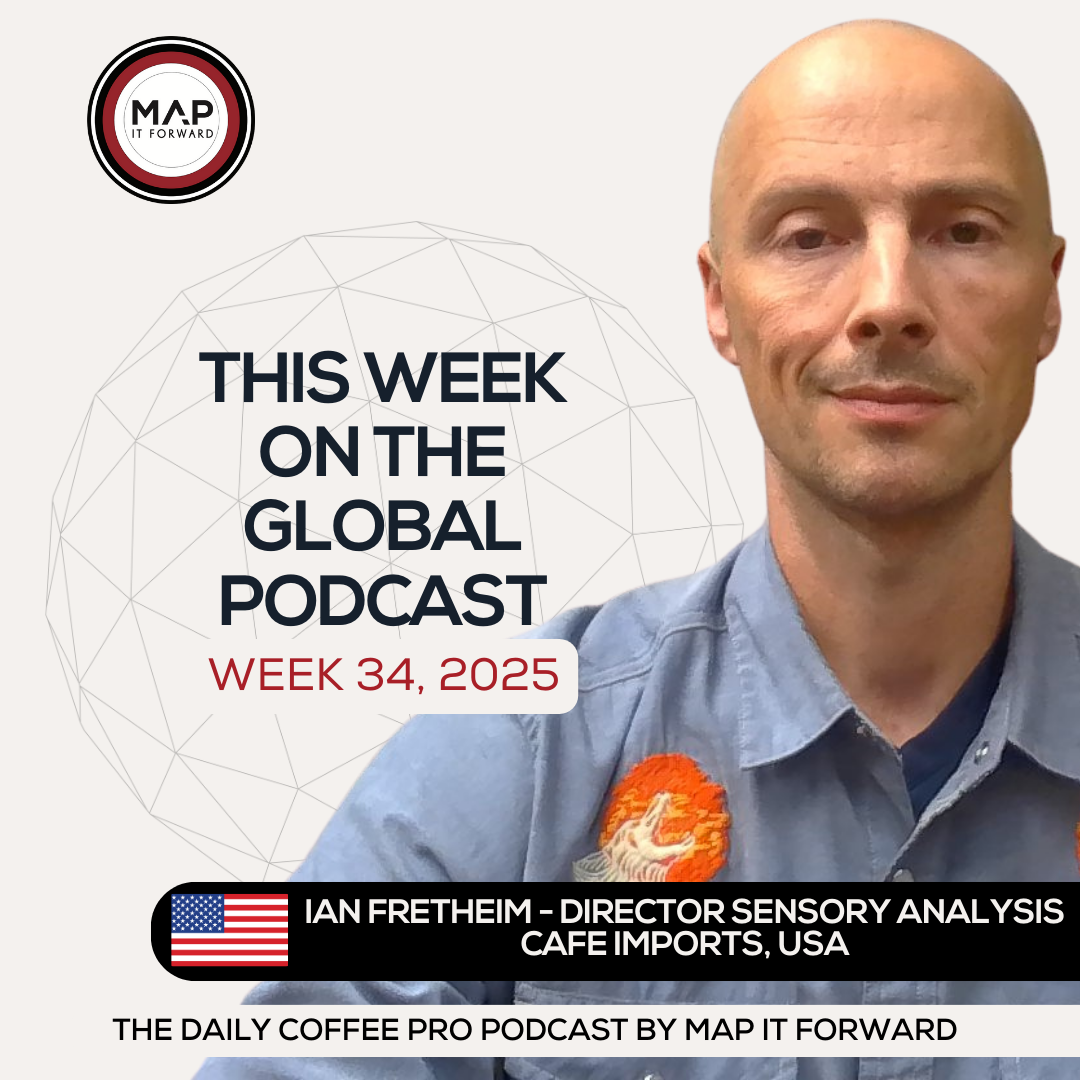
Ian Fretheim (Cafe Imports): What Is Quality in the Coffee Industry?
Why it matters: “Quality” drives decisions from farm to café, yet the word is used loosely. Ian Fretheim and Lee Safar unpack definitions, tools, incentives, and where standards help—or hurt.
Part 1: Tools for Assessing Coffee Quality - What tools actually help us measure quality—and where their limits are in the real world. Watch: https://youtu.be/G_SFo_SzjZE
Part 2: How Do We Define Quality? - Sensory vs. commercial definitions, and why context (market, purpose, consumer) changes the answer. Watch: https://youtu.be/YDyEBIKQs3k
Part 3: Quality, Hype, and Coffee Competitions - How competitions shape perceptions of quality, and separating signal from marketing noise. Watch: https://youtu.be/otdzLhL2e98
Part 4: The CVA Won’t Fix Anything in Coffee - Why one framework can’t solve structural issues, and what meaningful improvement would look like. Watch: https://youtu.be/AUe6fZd7oc0
Ep 5: Q Graders, Cuppers, and Technology - Human skill, calibration, and where tech fits (and doesn’t) in quality assessment. Watch: https://youtu.be/wxPWDHv9UwM
Companion series: the same five questions with Reza Kosar (Slick Coffee Co., Oman) from a Middle East–based CoE judge’s perspective. Details: https://www.mapitforward.coffee/middleeastpodcast/daily-coffee-pro-866
Map It Forward Middle East podcast
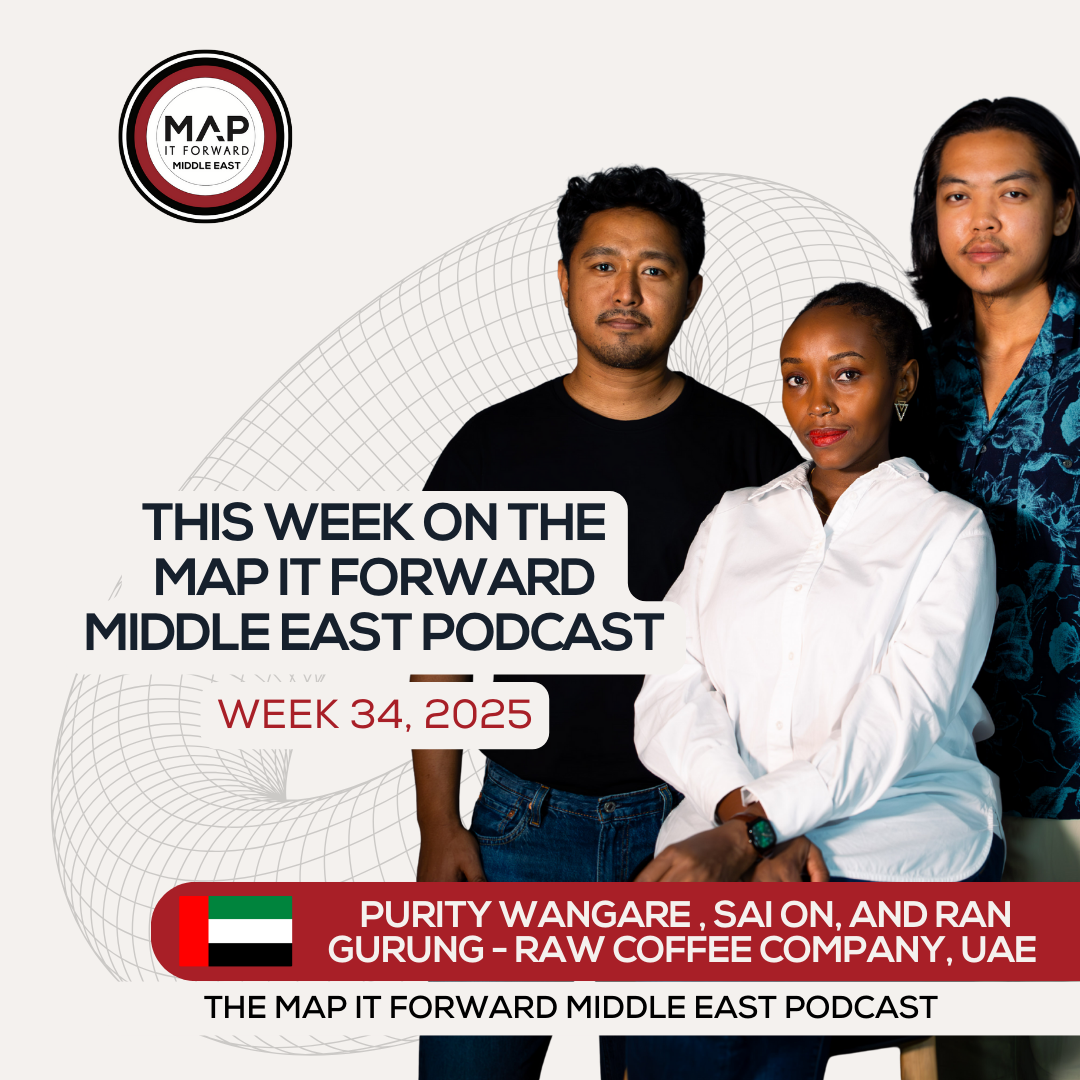
Purity Wangare, Sai On, and Ran Gurung (RAW Coffee Company)- Building a Coffee Career in the Middle East
Why it matters: The region’s coffee market is growing fast. Three professionals, Purity Wangare (Customer Experience), Ran Gurung (Roaster), and Sai On (Visual Storyteller), share what it takes to build a career here.
Part 1: Why Have a Career in Coffee? - Motivations, opportunity pathways, and early career decisions that compound over time. Watch: https://youtu.be/VS9X7vXK2w0
Part 2: A Coffee Career in the Middle East - What’s unique about the market, employers’ expectations, and how to position your skills. Watch: https://youtu.be/9qY5PGXVlqQ
Part 3: A Multicultural Coffee Community - Working across cultures and teams; communication, growth, and community-building. Watch: https://youtu.be/3OvgIdGplNM
Part 4: The Complex World of Coffee Competitions - Why people compete, what it teaches, and how to convert competition experience into career value. Watch: https://youtu.be/R9dzXGemWOg
Part 5: Paving a Career Path in Coffee - From entry-level to leadership: skills, mindset, and practical steps to progress. Watch: https://youtu.be/1WPbKktRF4E
Map It Forward Japan
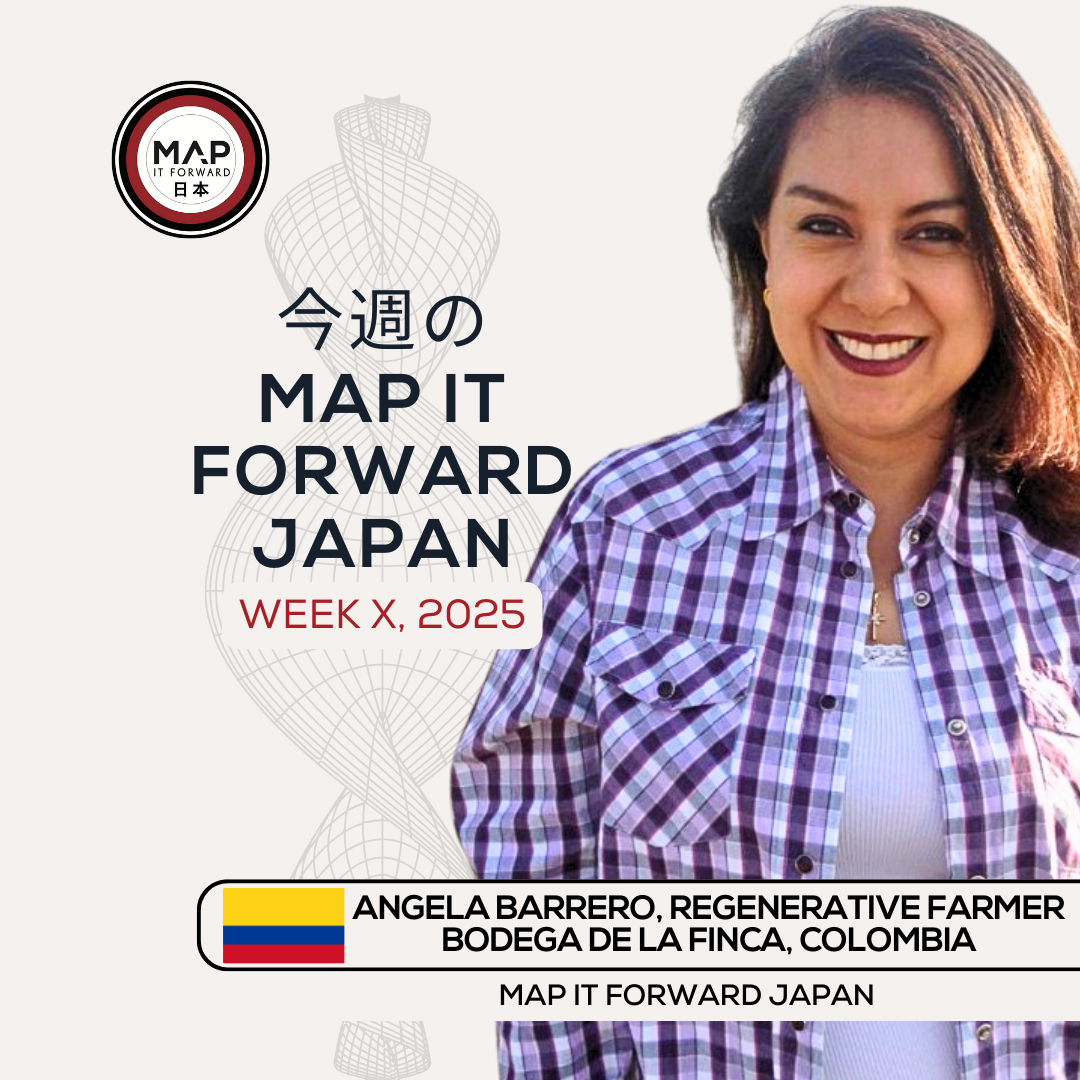
Angela Barrero (Quindío, Colombia)- Biochar & Resilience on Coffee Farms
Why it matters: Weather volatility and water stress are reshaping coffee farming. This series (translated into Japanese) focuses on biochar as a practical tool within regenerative systems.
Part 1: Stabilizing Coffee Supply with Regenerative Ag - How regenerative practices stabilize yields and improve resilience over cycles. Watch: https://youtu.be/Tvy5uRft0Qo
Part 2: Water Instability at Coffee Origins - Diagnosing water challenges and farm-level tactics to manage scarcity and excess. Watch: https://youtu.be/oD0wyoeNtmg
Part 3: Biochar’s Role During La Niña and El Niño - Why biochar matters under extreme oscillations and how it supports soil function. Watch: https://youtu.be/Sf4Ia3DELhg
Part 4: Is it Going to Get Easier to Grow Coffee? Realistic outlook on agronomic difficulty, costs, and where innovation can help. Watch: https://youtu.be/W-llrWOesG4
Ep 5: The Basics of Making Biochar - Inputs, simple methods, quality considerations, and where to start on-farm. Watch: https://youtu.be/NL6n7bIU79w

Access “Introduction to Regenerative Coffee Farming” On-Demand for as little as $10 at the new Map It Forward On-Demand Learning Hub here: www.ondemand.mapitforward.coffee

Diversify your revenue by becoming a consultant to the coffee industry or home brewers/roasters. It's time to make sure you’re taking care of your future. Click here