




Part 5 of 5: Colombia’s coffee sector faces years of recovery after the earthquake. Ana Donneys and Angel Barrera discuss reconstruction, mental-health strain, unequal access to resources, and why continuing to buy Colombian coffee and maintain long-term relationships may be one of the most meaningful ways the global industry can help.
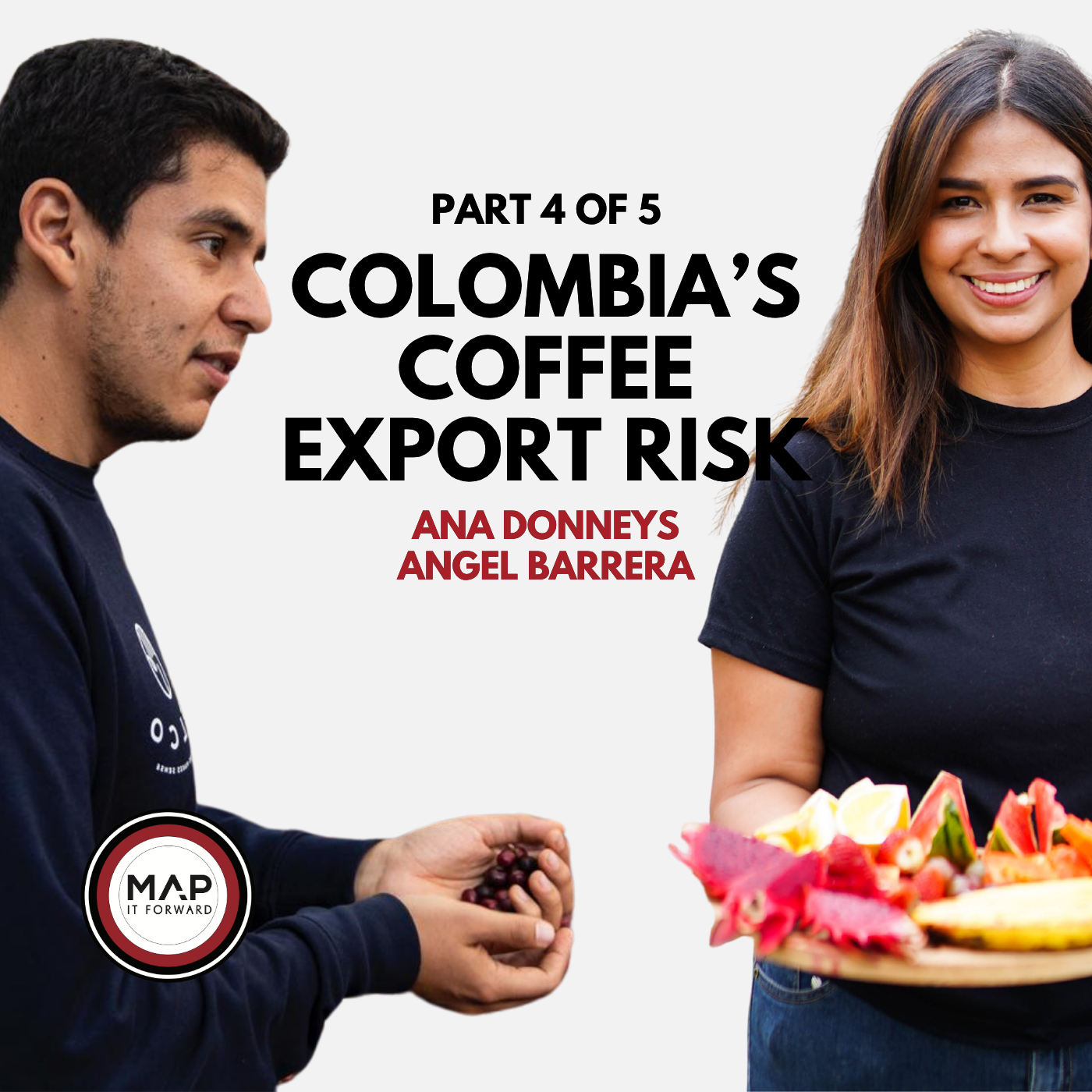
Read MorePart 4 of 5: Colombian coffee is still moving, but the risks are building. Ana Donneys and Angel Barrera explain how damaged infrastructure, water rationing, El Niño and processing constraints could affect coffee quality and exportable volume through 2026 and into 2027.
Read MorePart 3 of 5: Colombia’s coffee sector now has to rebuild while continuing to produce. Ana Donneys and Angel Barrera explain the damage to wet mills, homes and infrastructure, transport constraints, and why El Niño could compound the pressure in the months ahead.
Read MorePart 2 of 5: The day after the earthquakes, communities across Colombia began responding while many people were still without safe homes, electricity, communications or road access. Ana Donneys and Angel Barrera describe the solidarity that emerged, damage across coffee-producing areas, and the first signs of disruption to Colombia’s coffee supply chain.
Read MorePart 1 of 5: Colombia’s coffee sector was already dealing with smaller harvests, rising costs and currency pressure when the August 10 earthquakes struck. Ana Donneys and Angel Barrera describe what happened that morning in Armenia and Pereira, the immediate damage they witnessed, and the first hours after the disaster.
Read More